
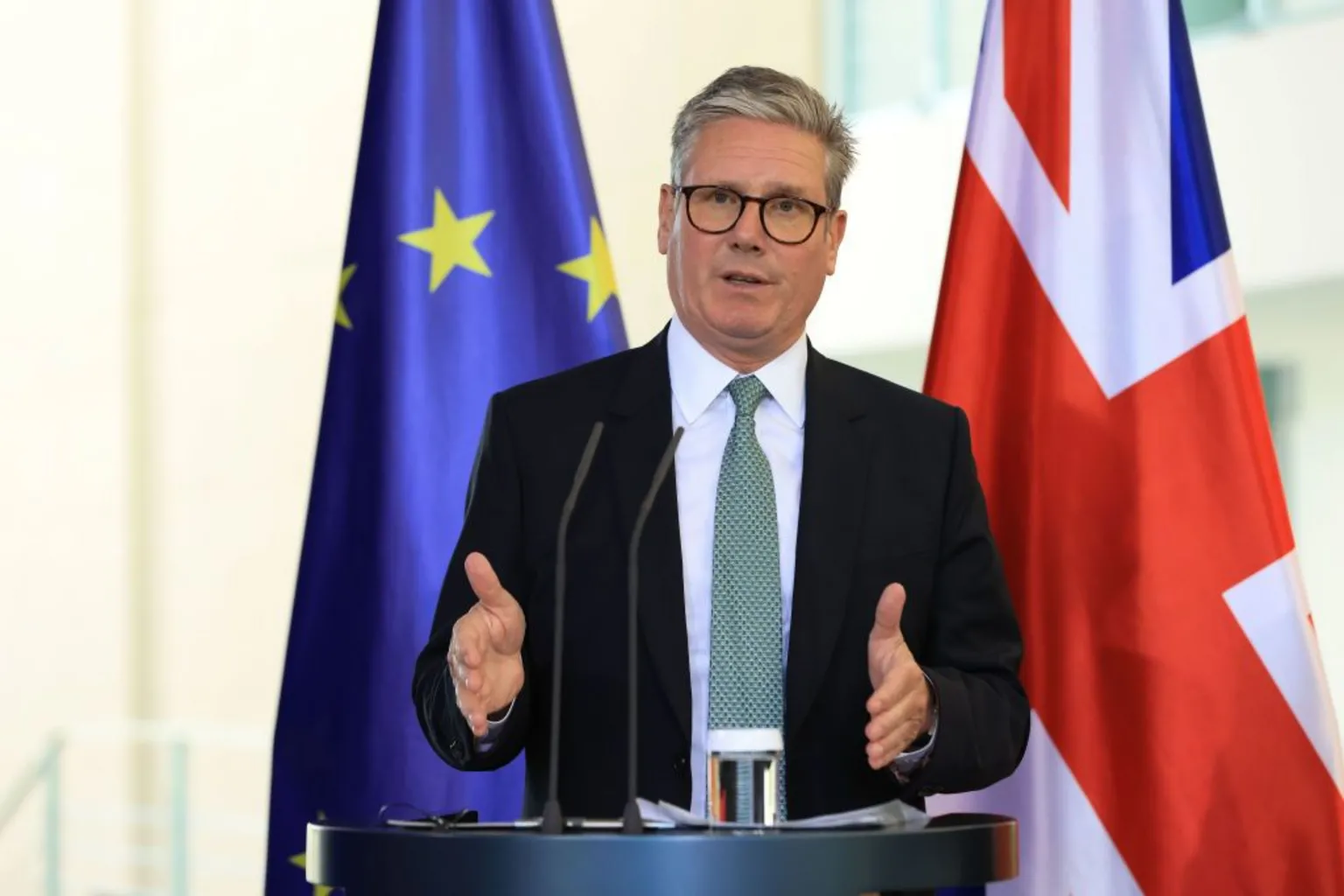
UK May Align with EU Single Market Rules
The United Kingdom could move closer to adopting elements of European Union single market regulations under proposed new legislation, signaling a potential shift in its post-Brexit economic strategy. While not a return to full membership, the move reflects growing pressure to reduce trade friction and improve access to European markets.
Since leaving the EU, UK businesses have faced increased bureaucracy, regulatory divergence, and higher costs when trading with European partners. These challenges have particularly affected small and medium-sized enterprises, many of which rely heavily on cross-border trade. Aligning with certain single market rules could ease these burdens, streamline operations, and restore a level of predictability for exporters and investors.
Supporters of the proposal argue that selective alignment would strengthen the UK’s economic position without compromising full political sovereignty. By adopting key regulatory frameworks—especially in areas such as manufacturing standards, financial services, and data protection—the UK could regain smoother access to the EU market while maintaining independent governance.
However, the idea remains politically sensitive. Critics warn that adopting EU rules without having a direct say in shaping them could undermine the very purpose of Brexit. Concerns over sovereignty, legislative control, and long-term dependency continue to fuel debate within both political and business circles.
Economists suggest that the proposal reflects a pragmatic response to economic realities rather than an ideological reversal. With global competition intensifying and domestic growth facing pressure, policymakers appear increasingly focused on reducing barriers and boosting trade efficiency.
If implemented, the legislation could mark a significant recalibration of the UK’s relationship with the EU—one that prioritizes economic stability and business confidence while navigating the complexities of independence in a highly interconnected global market.
